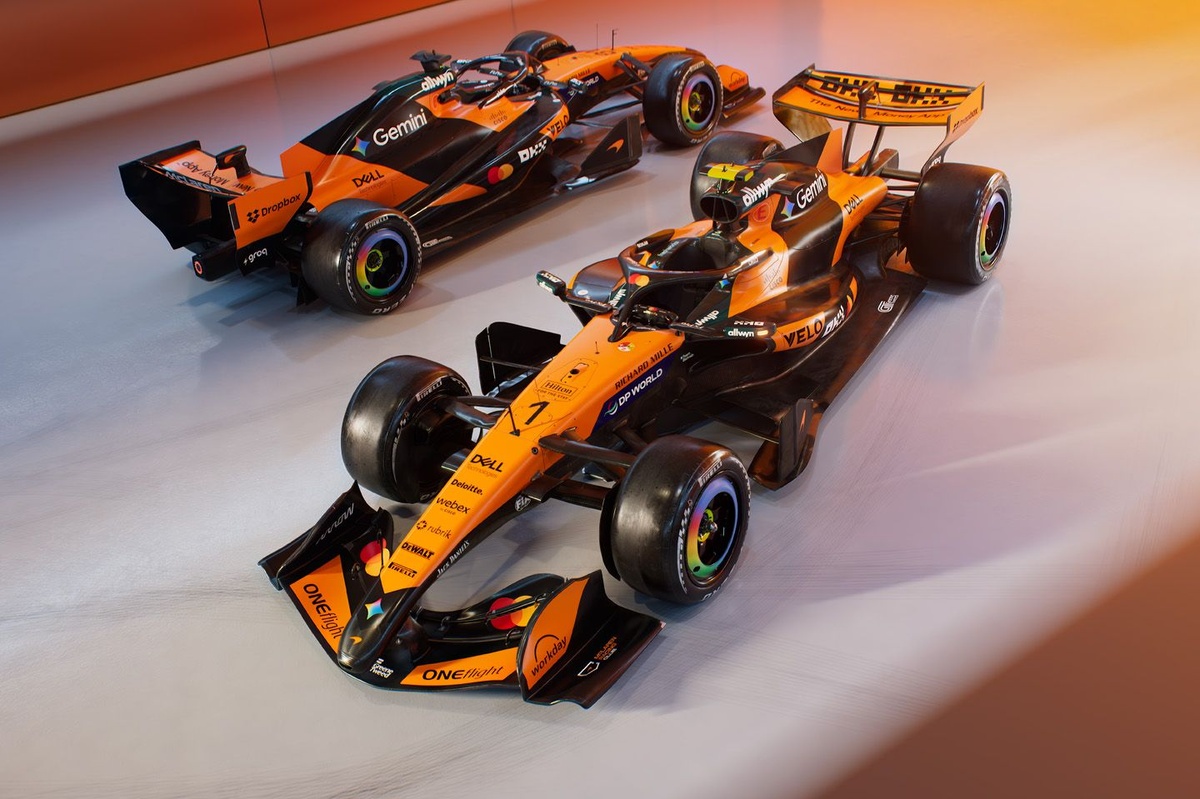
McLaren CEO Zak Brown has characterized the ongoing controversy over the compression ratio of Formula 1 power units as 'typical politics of F1.' The dispute centers around technical regulations and the competitive advantages of different teams, with Brown expressing frustration over the persistent disagreements.
Brown specifically addressed the recent complaints from rivals about Mercedes' 2026 power units, which McLaren utilizes in its racing team. He emphasized that such disputes are common in Formula 1 and often serve as a distraction from the sport's core competitive and technical challenges.
He stated, "This is just another example of the typical politics that we see in F1. Teams will always find ways to challenge regulations or raise concerns when they feel threatened or want to gain an edge." Brown also pointed out that the regulatory framework is designed to ensure fair competition, and that teams should focus on innovation and performance rather than political disputes.
The debate over compression ratios and engine specifications has been a recurring theme in recent seasons, with teams lobbying for changes that could impact performance and reliability. McLaren, as a customer of Mercedes engines, has been at the center of these discussions, balancing its technical partnerships with the sport's evolving regulations.
Despite the ongoing disagreements, Brown remains optimistic about McLaren's prospects in the upcoming seasons. He highlighted the team's commitment to developing competitive cars and emphasized the importance of focusing on performance rather than regulatory disputes.
As the 2026 regulations approach, the sport continues to grapple with balancing innovation, fairness, and the political dynamics among teams. Brown's comments reflect a broader sentiment within the paddock that these disputes are an inherent part of Formula 1's complex ecosystem, often overshadowing the technological advancements and racing excitement that fans cherish.
In conclusion, Brown's remarks underscore the ongoing tensions in F1, where technical regulations and political maneuvering frequently intersect, shaping the future of the sport and its competitive landscape.